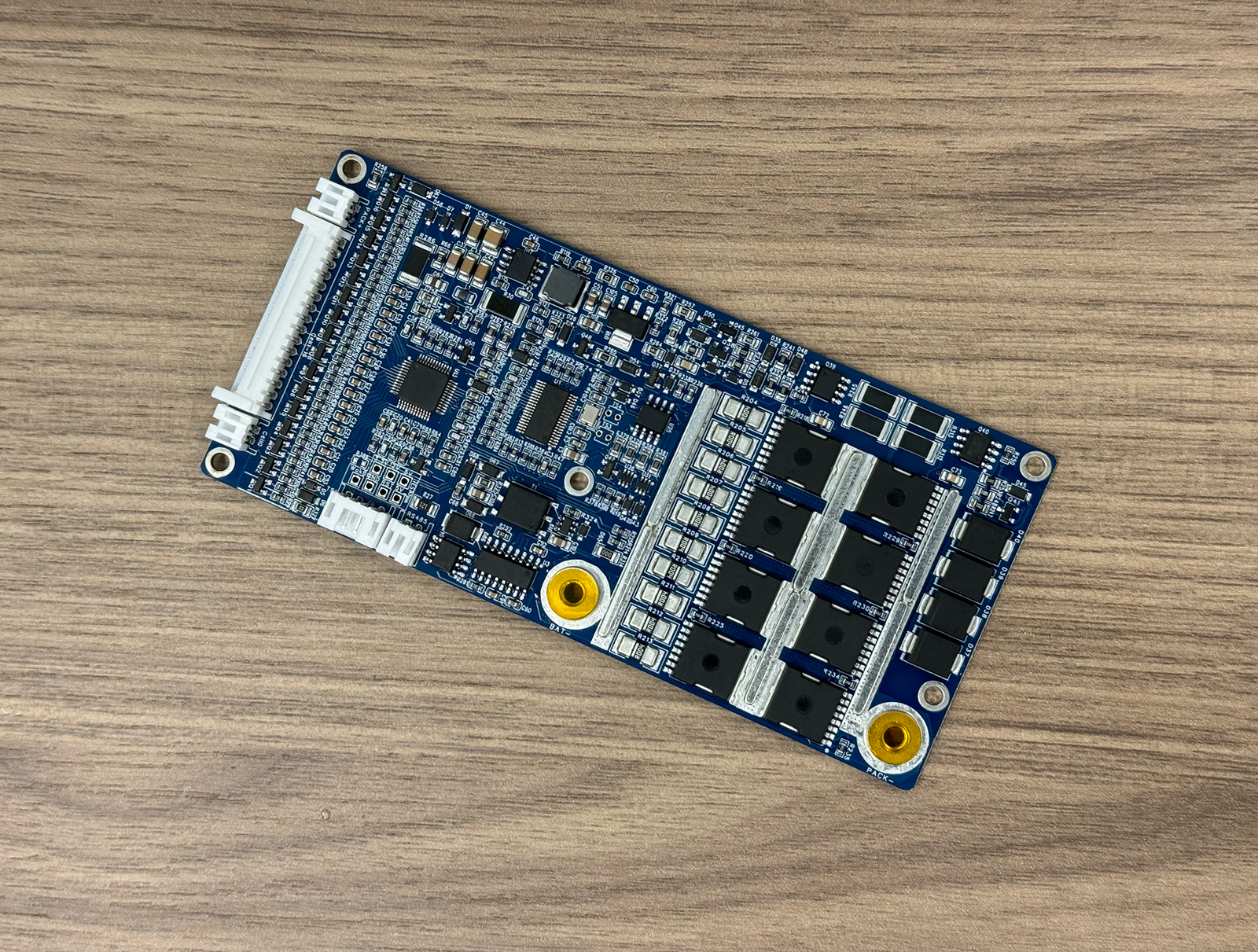
PCB Fabrication Coordination
Fabrication data, board construction, finishes and drill requirements are reviewed against the released design. Material coordination considers the PCB as part of the manufacturing package, not an isolated purchase.
One accountable manufacturing route, from approved BOM to tested PCB assemblies.
Eyebrow: VIETNAM TURNKEY ELECTRONICS MANUFACTURING
TURNKEY / PCBAPROCUREMENT → ASSEMBLY → RELEASEWhen PCB fabrication, part purchasing, assembly and testing sit with different suppliers, small uncertainties can turn into production delays. Incomplete BOM revisions, component shortages, late engineering changes and unclear substitution rules affect schedule and accountability.
With ANZ Electric, the agreed turnkey scope connects material preparation through finished-board verification. Customers retain control of product specifications, source restrictions and approvals while the manufacturing team coordinates execution.
Fabrication data, board construction, finishes and drill requirements are reviewed against the released design. Material coordination considers the PCB as part of the manufacturing package, not an isolated purchase.
Component procurement follows the approved bill of materials, specified manufacturer part numbers and source restrictions. Alternates, allocation issues and critical-part risks are surfaced for approval rather than silently substituted.
The assembly process is matched to board construction and component technology. For a closer look at production formats, explore SMT assembly and mixed PCB assembly.
Process checks, optical and X-ray inspection and functional verification can be coordinated according to the agreed acceptance plan. Read about ANZ's PCB assembly quality controls before defining your evidence package.
For projects going beyond bare PCBAs, additional cables, enclosures, labeling and system-level checks may be included in a defined box-build assembly scope.
| Decision | Turnkey | Consigned | Hybrid / Partial Consignment |
|---|---|---|---|
| Material purchasing | Manufacturer coordinates | Customer supplies | Shared by approved BOM lines |
| Main schedule dependency | Sourcing + build readiness | Customer material readiness | Readiness of both parties |
| Component alternates | Customer-approved process | Customer-controlled process | Explicit approval boundary |
| Suitable for | Coordinated procurement + manufacturing | Customer-managed inventory | Critical parts controlled by customer |
The right model depends on supply restrictions, project maturity, material availability and the agreed scope—not a universal price ranking. See our Turnkey vs Consigned PCB Assembly guide for a detailed responsibility comparison.
ANZ's Vietnam operation connects PCB assembly and supporting manufacturing steps for international OEM programs. For operational context, see PCB assembly in Vietnam.
Reviewing design files, manufacturing constraints and source responsibilities early helps reduce avoidable quotation loops and production handoff issues.
A supplier relationship may start with a prototype, proceed through a quick-turn validation build and continue into planned small-batch production.
ANZ's services also include product integration, protection and verification processes when the finished product requires them.
If your manufacturing package is incomplete, use our custom PCBA quotation preparation guide to identify the missing inputs.
It is a supply and manufacturing model in which the PCB assembly partner coordinates the agreed board and component procurement, assembly and verification scope while the customer controls product definitions and required approvals.
Component purchasing is normally within the agreed turnkey scope. Specific BOM lines, alternate part rules and restrictions should be confirmed during quotation.
Yes. A hybrid or partially consigned model may be appropriate when the customer controls certain critical, allocated or sensitive components.
ANZ offers prototype and low-volume PCBA routes. Quantities, sourcing responsibilities, test scope and delivery expectations are assessed per project.
Lead time depends on board construction, component availability, assembly complexity, quantity, inspection requirements and release readiness. Confirm a schedule using the current BOM and build package.
Testing is defined by the agreed project scope. Customers should identify procedures, pass/fail criteria, fixtures and required records during quotation.
From a new product prototype to a repeat manufacturing program, ANZ Electric can review your design files, sourcing expectations and verification requirements.